Myths & Legends
The Stories that Shaped the Maya World
Night gathers, and a fire crackles in the plaza. Elders lift their voices, telling of gods who shaped humans from maize, of twins who tricked death in the underworld, of jaguars that guard the night. For the Maya, these were not just stories—they were guides to life, mirrors of the cosmos, and living echoes still whispered today.
Stories as Survival
In the flickering light of temple fires, Maya storytellers wove tales that explained the mysteries of existence. These myths were more than entertainment—they were survival guides for navigating life, death, and rebirth. Through stories of gods and heroes, the Maya transmitted essential knowledge about farming seasons, ritual timing, and cosmic balance.
Each myth carried multiple layers: literal narrative, symbolic meaning, and practical wisdom. The Hero Twins taught courage and cleverness. The Maize God revealed the secrets of agriculture. Animal spirits showed how to live in harmony with nature.
"To tell a story was to keep the cosmos alive"
Creation Stories
The Popol Vuh tells of multiple failed creations before humans were finally made from maize
The Mud People
The first attempt at creating humans from mud failed—they dissolved in water and could not speak properly to honor the gods.
The Wooden People
The second creation from wood was stronger but soulless—they forgot their makers and were destroyed in a great flood.
The Maize People
Finally, humans were successfully created from ground maize—they could speak, think, and properly worship their creators.
"Humans are made of maize dough"
This creation story reveals why maize was sacred to the Maya—they believed their very flesh was formed from this grain. It explains their deep spiritual connection to agriculture and the cycles of planting and harvest.
The Hero Twins Epic
Follow Hunahpú and Xbalanqué through their legendary journey to Xibalba
The Ballgame Challenge
The Thunder of the Court
The Hero Twins' thunderous ballgames shook the earth above Xibalba, disturbing the lords of the underworld. "Who dares make such noise above our realm?" they demanded, sending messengers to summon the twins to play the ultimate game.
Descent to Xibalba
Following the dark path to the underworld, the twins faced the first trials: rivers of blood and pus, armies of biting insects, and the dreaded crossroads where many had lost their way forever.
Trials of Death
Resurrection & Renewal
Victory Over Death
Through wit and sacrifice, the twins defeated the lords of Xibalba, were reborn as the sun and moon, and established the cycle of death and renewal that governs all life. Their father, the Maize God, was also restored to life.
"Twins as models of wit, courage, and renewal"
The Hero Twins story taught the Maya that death was not final, that cleverness could triumph over brute force, and that renewal always followed sacrifice.
Gods & Nature Myths
Stories tied to farming cycles, natural phenomena, and the rhythms of life
The Maize God
Reborn each planting season
The young Maize God dies and is reborn annually, emerging from the earth like the corn that sustains humanity. His cycle mirrors agricultural seasons.
Ix Chel
Moon goddess of weaving and childbirth
The moon goddess who taught women to weave and aided in childbirth. She controls the tides, floods, and the feminine mysteries of creation.
Kukulcán
Feathered serpent of wind and Venus
The great feathered serpent who brings rain and wind, associated with the planet Venus. A god of learning, calendar-keeping, and renewal.
Animals & Trickster Tales
Animals as teachers, guides, and messengers of the gods
Jaguar
Lord of the underworld, symbol of royal power and shamanic transformation.
Rabbit
Clever trickster of the moon, teaching wisdom through mischief and cunning.
Butterfly
Symbol of transformation, the soul's journey between worlds of life and death.
Serpent
Messenger between earth and sky, keeper of water and fertility.
"Animals as teachers and guides"
Maya animal stories taught practical wisdom about survival, social cooperation, and the natural world. Each creature embodied specific qualities that humans could learn from.
Legends in Daily Life
How myths lived in ballgames, rituals, and the rhythms of Maya society
Sacred Ballgame
Echoing the Hero Twins' cosmic struggle
Every ballgame reenacted the Hero Twins' victory over the lords of death, symbolically ensuring the continuation of life and cosmic order.
Ritual Reenactments
Creation myths in ceremony
Royal ceremonies reenacted creation stories, with rulers playing the roles of gods to maintain their divine legitimacy and cosmic balance.
Woven Stories
Cosmological patterns in textiles
Women wove mythic patterns into huipils, encoding stories of gods, creation, and family lineage in geometric designs.
Stories Live On
"Stories live as long as they are told"—Maya myths continue in modern communities
Highland Storytelling
In Maya communities across Guatemala and Mexico, elders still gather children around fires to tell the old stories, adapting ancient wisdom for modern challenges.
Living Symbols
Mythic motifs continue to appear in modern Maya art, textiles, and ceremonies, proving that these stories remain vibrant and meaningful.
Teaching Resources
Bring Maya mythology into your classroom with engaging activities
Hero Twins Comic
Students create their own comic strip retelling the Hero Twins myth, understanding the story through visual narrative.
Gods & Animals Matching
Interactive worksheet where students match Maya gods and animals to their mythological roles and symbolic meanings.
Illustrated Myth Pack
Comprehensive PDF with myth summaries, beautiful illustrations, and discussion questions for classroom exploration.
Experience Stories Through Sound
Maya myths were meant to be heard, not just read. We're working on bringing you immersive audio storytelling that captures the power and poetry of these ancient tales.
SagesOfThePast Collection
Authentic replicas and educational materials to deepen your understanding

Mayan Jungle Cenote Mouse Pad in Blue
There was once a proud Mayan king named Atlan, known across his vast kingdom for his unrivaled courage and wisdom. Among...
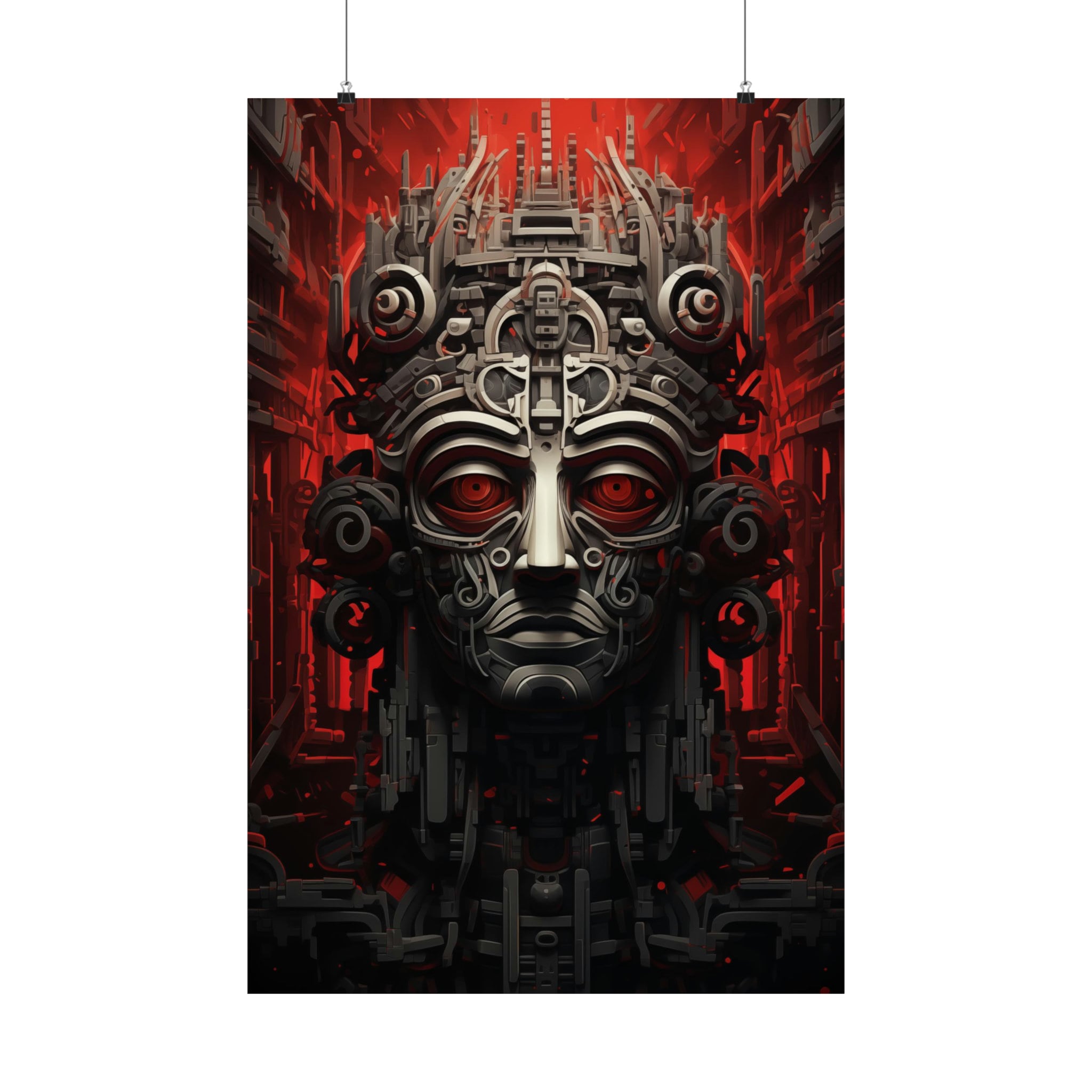
Fantasy Mayan Wall Art Poster
In the time of the Mayas, where legends danced, Upon your wall, a history is enhanced. A culture rich, both vibrant and ...
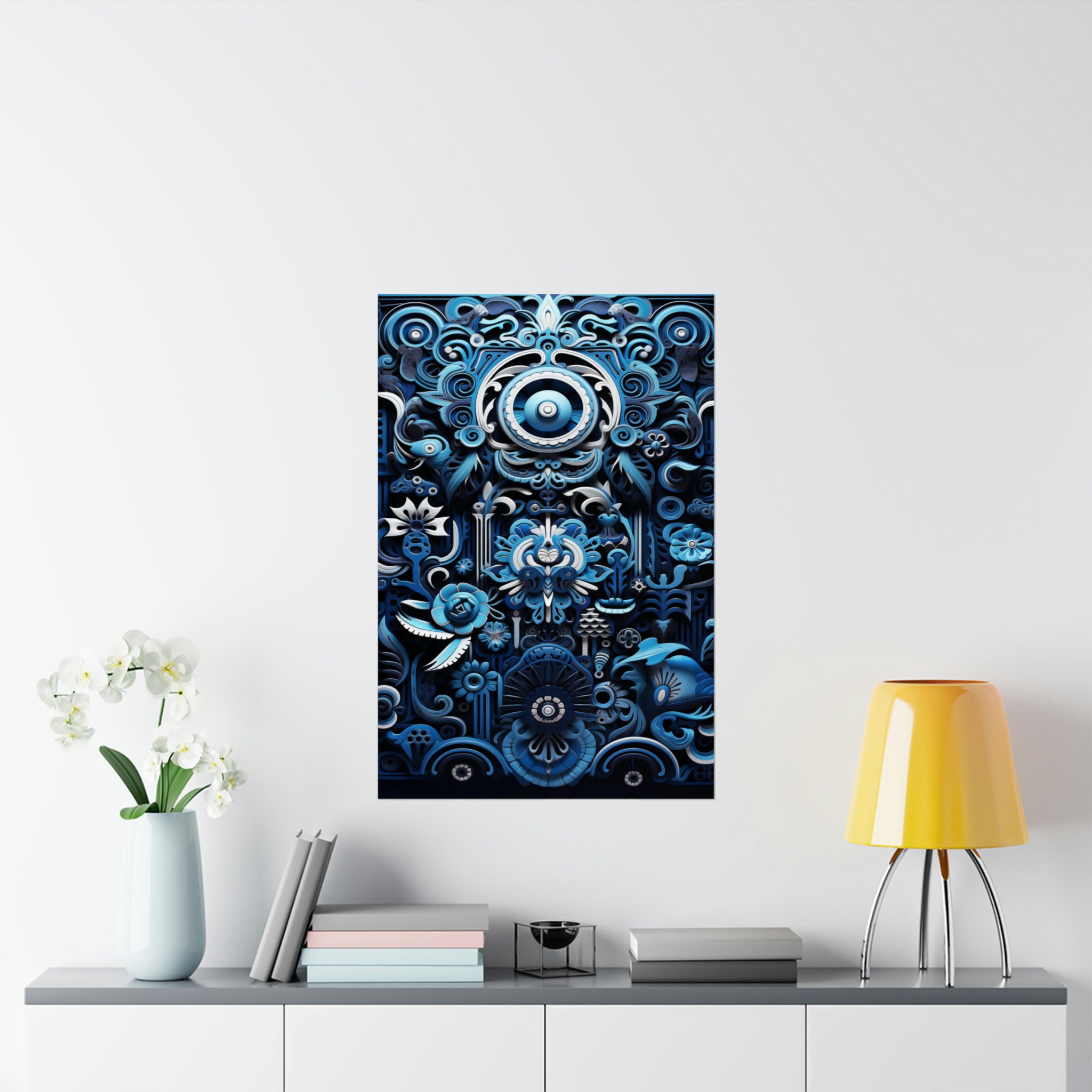
Blue Mayan Abstract Art Wall Poster
In ancient Mayan hues of blue, Abstract art whispers tales anew. Hang it where your dreams take flight, A visual anthem ...
Support our research and education mission with every purchase